Nesting Beach Monitoring

Hawksbill turtles

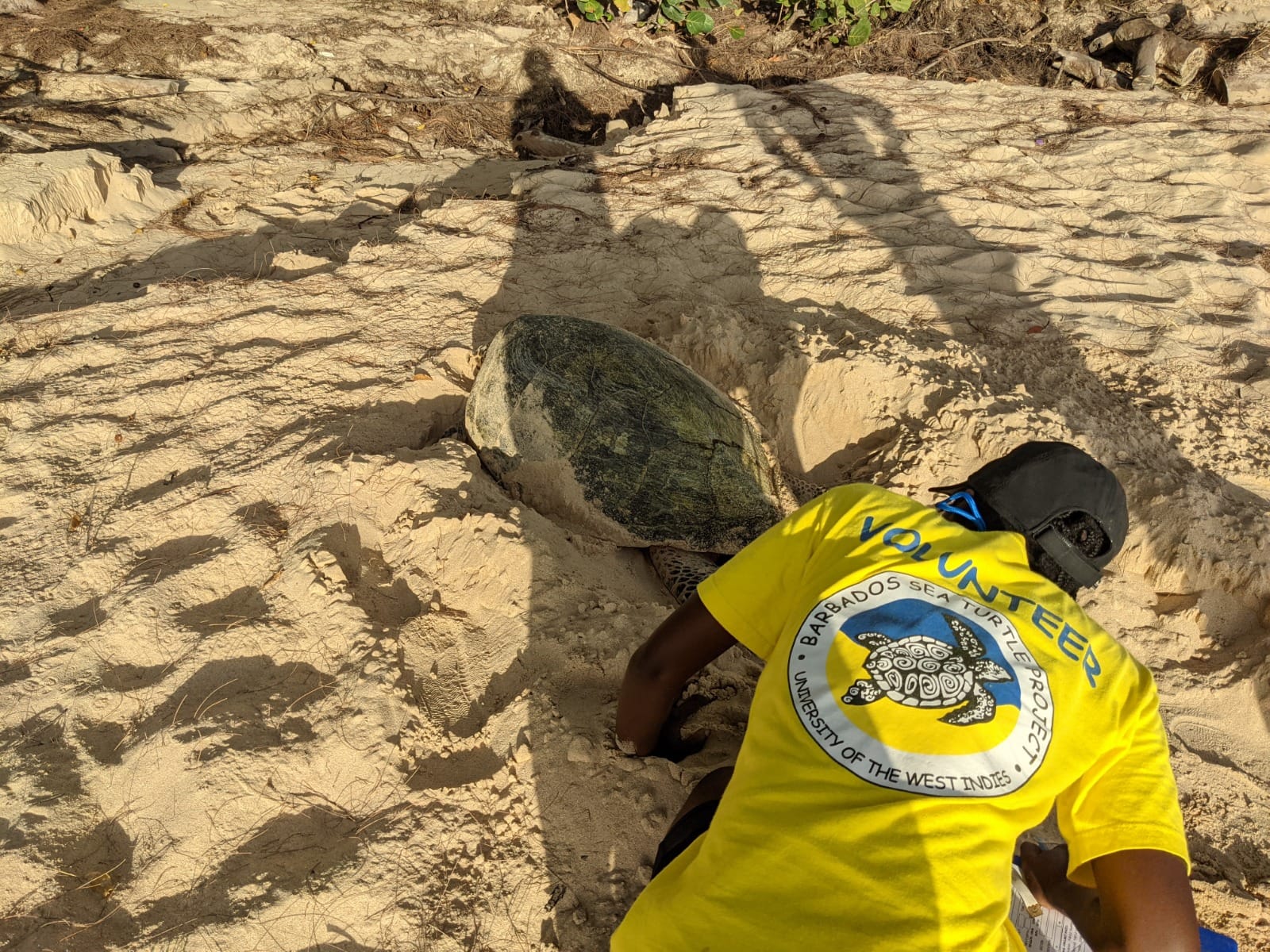
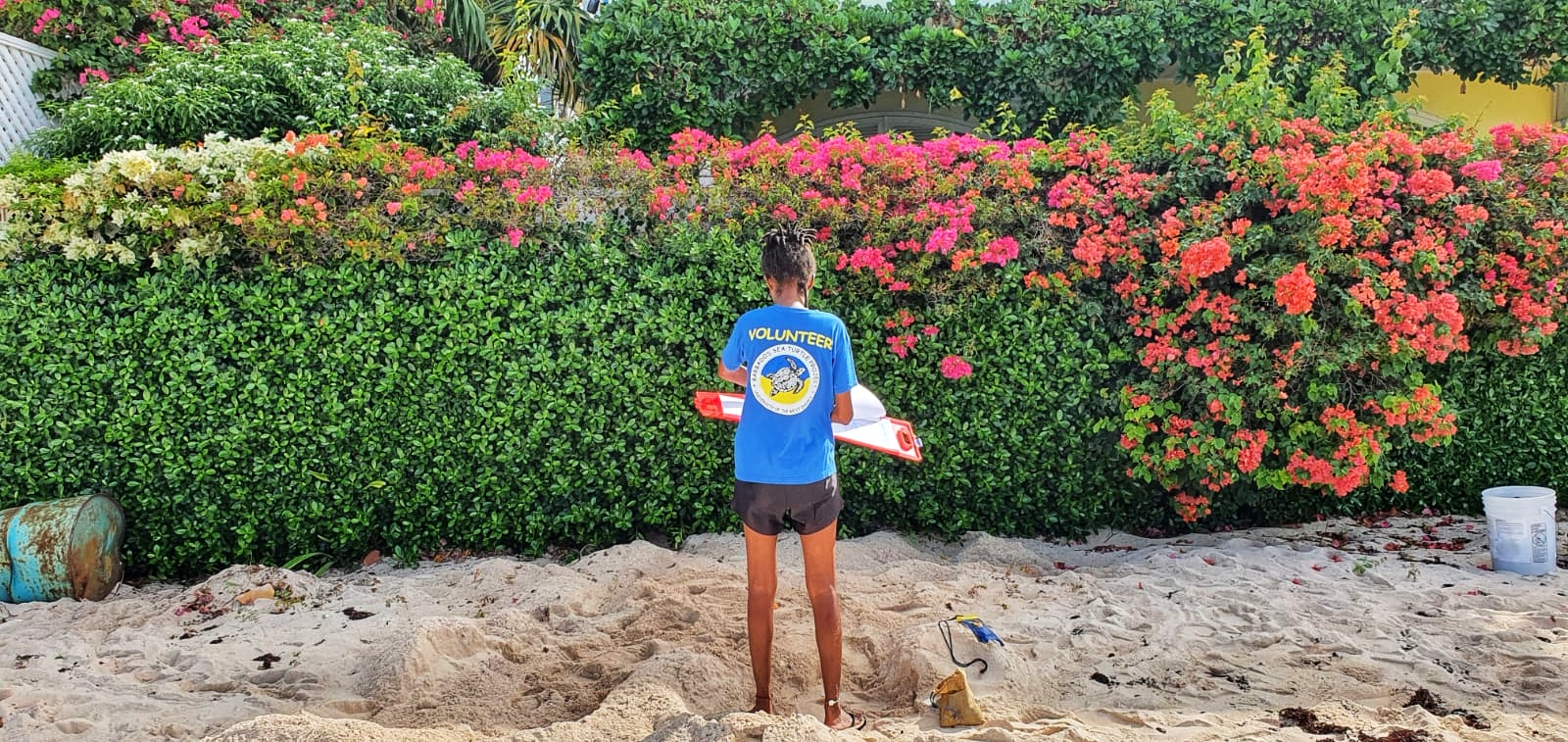
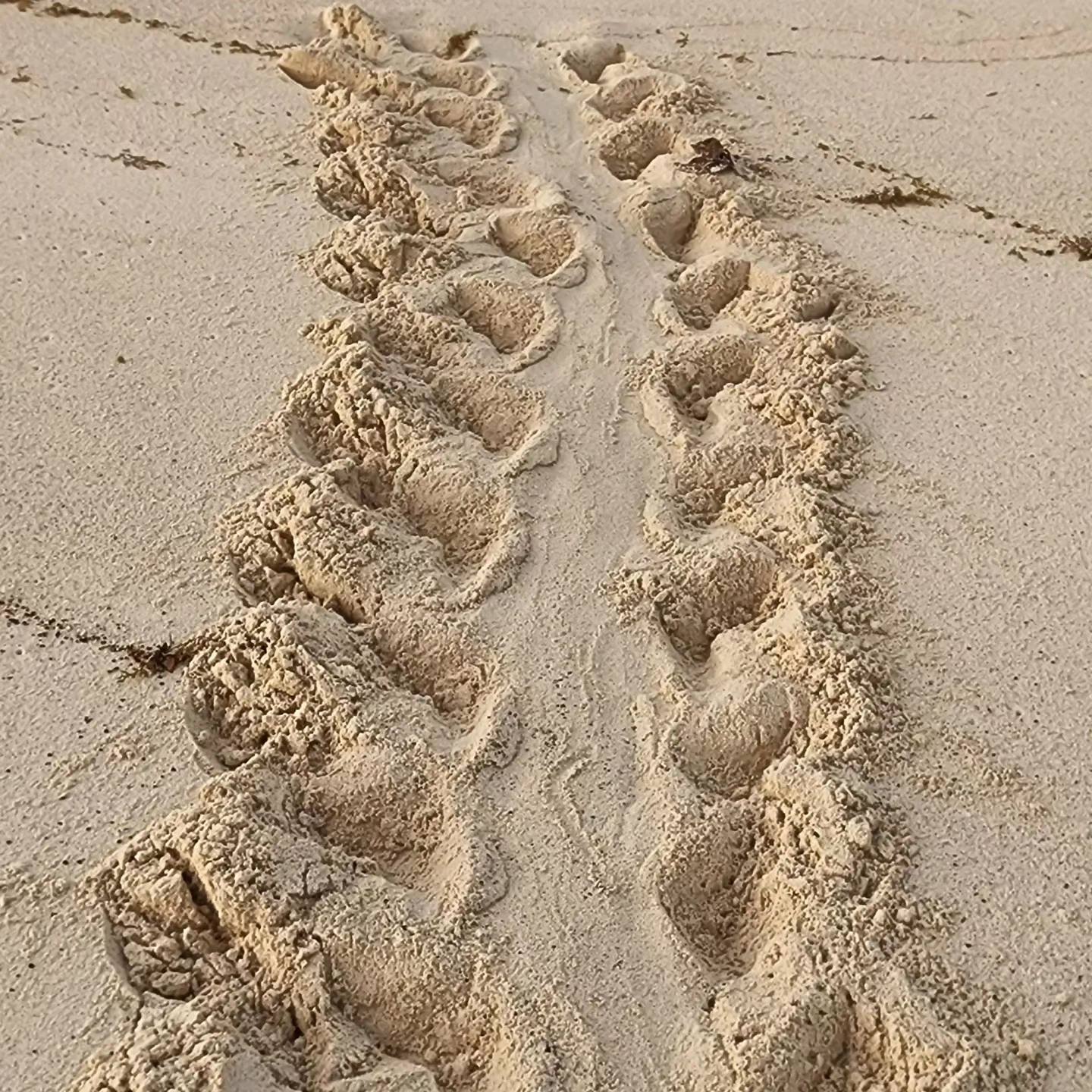
The Barbados Sea Turtle Project monitors the sandy, leeward coast beaches of the island nightly during the hawksbill nesting season (June 1st to October 31st). Three separate monitoring groups, each covering different beaches on the west and south coasts set out at 8:00 pm in order to document all hawksbill turtle nesting activity. Our volunteers not only look for nesting females when they come out of the sea to nest, but also for any signs such as tracks that indicate that a female has been on the beach.

If an activity is found and the female has already left the beach, our volunteers document the type of activity that has taken place. Data collection focuses on the following questions: Did the female attempt to nest, but was unsuccessful? Was she disturbed during her time on land? Was she able to nest? Are the eggs safe at their current location? These questions can usually be answered by looking at the tracks left behind and the patterns of disturbed sand as well as the local environment.

If the turtle is still present when our volunteers arrive, they read her tag numbers or give her new tags if necessary. Measurements of her carapace (shell) are taken, along with beach measurements and site observations in relation to the nest location. Long term nesting beach tagging programmes provide unique information about the distribution and abundance of female turtles as well as estimates of inter-nesting intervals (the time between successive nests) and remigration intervals (the number of years between nesting seasons for a given turtle).
Leatherback turtles

Barbados Sea Turtle Project volunteers monitor the beaches of the east (windward) coast of the island once per week during the leatherback nesting season (March 1st to July 31st). Monitoring commences at 6:00 am. Nesting leatherback turtles are occasionally seen and tagged by this monitoring group.

Nest protection and relocation

It is important that the site where a sea turtle has nested will be safe for the duration of the incubation period (approximately 60-days). Since moving a sea turtle nest reduces its chance of success, eggs should not be moved unless they are likely to be destroyed at their original location. If the eggs are not safe due to washout by high wave activity, predation by dogs or mongooses, or if they are in an area of high foot or vehicular traffic, our volunteers will carefully relocate them to a safer area.

We ensure that each relocated nest remains as close to its original site as possible. Because of this, we will not move a nest from a south coast location (for example, the Turtle Beach Resort) to a west coast location (for example, the Sandy Lane Hotel). Eggs are relocated to a nearby beach on the same coast from which they were taken.

Nest excavation

Most hatchling turtles emerge during the night or early morning. After the hatchlings have emerged from a nest, our volunteers excavate that nest. The nest contents are examined and counted in order to determine hatching success.

By attempting to document all nesting activity around the island, the Barbados Sea Turtle Project is able to monitor the populations of hawksbill and leatherback turtles (and rarely green turtles) that use Barbados as their nesting habitat.

Get in touch

The Barbados Sea Turtle Projecr

Wildey Great House
Wildey, St. Michael Barbados

thebstp@wildisletrust.org

(246) 230-0142

Newsletter

Coming soon!
Follow Us

© Your Site Name. All Rights Reserved.

Designed by HTML Codex. Distributed by ThemeWagon.