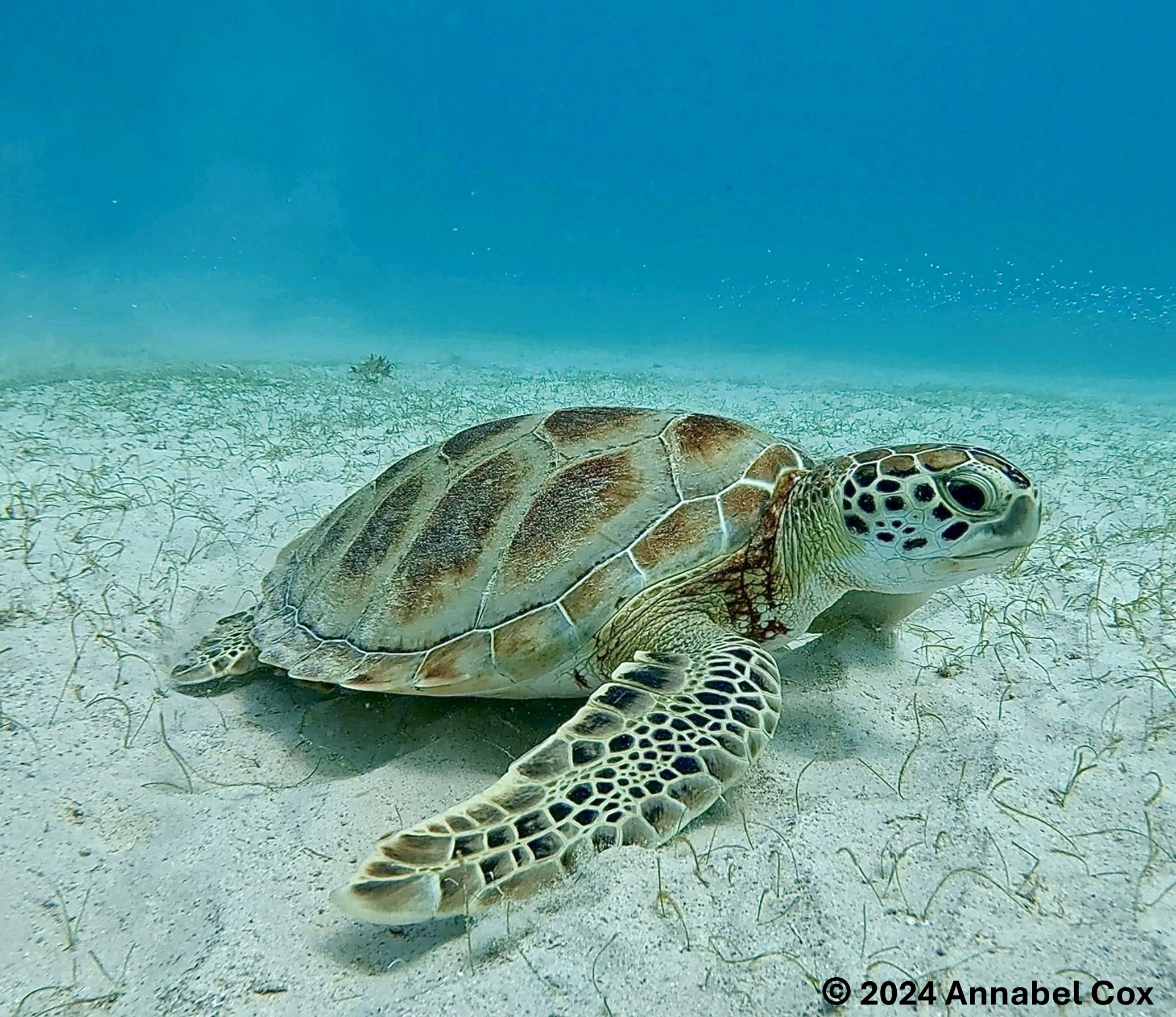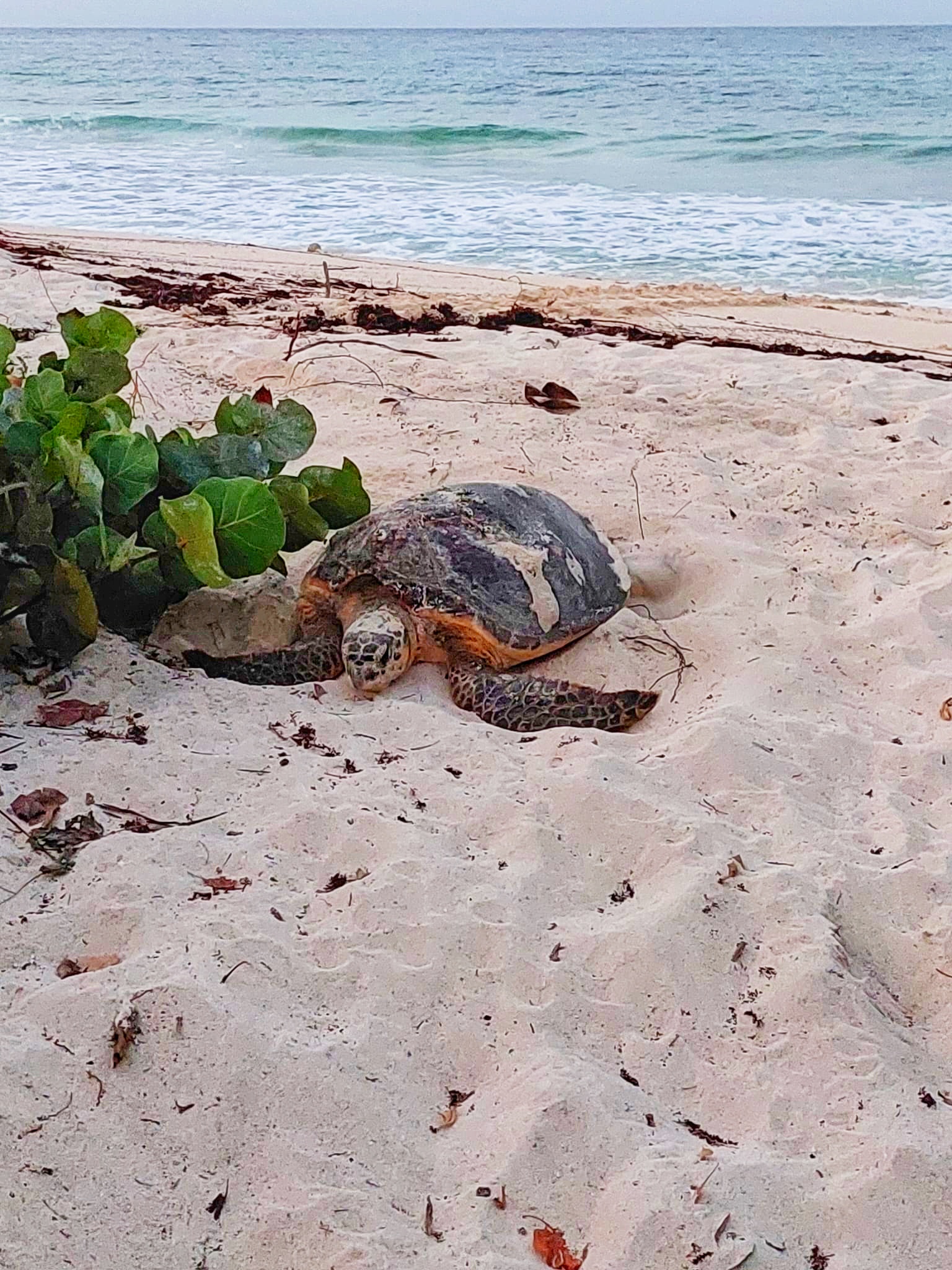
Two to three days per week during the nesting season, the Barbados Sea Turtle Project goes SCUBA diving with the assistance of High Tide Watersports in order to catch juvenile hawksbill sea turtles that reside on reefs along the west coast of Barbados. Upon capture, turtles are brought up to the dive boat where data is collected. The turtles are tagged, measured, weighed and photographed. Each turtle has a unique identification number etched into its shell before it is released.
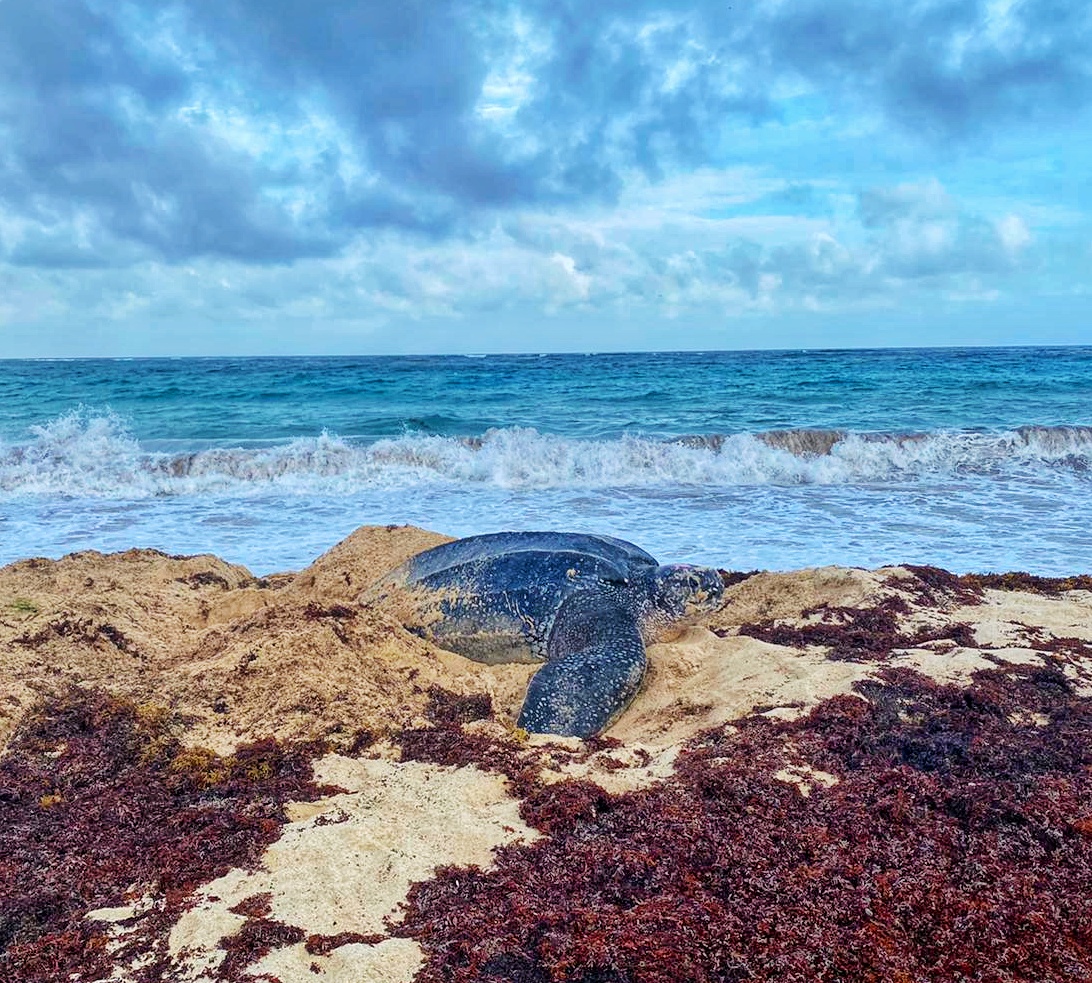
Green turtles are found feeding on seagrass and algae around the island. Many persons travel to Barbados to swim with the juvenile green turtles on our west coast. Every six months, the Barbados Sea Turtle Project, in collaboration with the Coastal Zone Management Unit, Ocean Adventures Cruises and Barbados Blue Watersports, visits the popular "swim with the turtle" sites to capture and examine the juvenile green turtles. As with the hawksbills, turtles are tagged, measured, weighed and photographed before being released.
We have found that these turtles, that are usually fed fish by the boats bringing visitors to the sites, grow faster and weigh more than turtles of the same size that feed naturally on plants. The Barbados Sea Turtle Project is currently cooperating with a veterinary research group in order to determine whether this is a potential health concern.
Over 1,300 hawksbill and green turtles have been tagged and identified by the Barbados Sea Turtle Project since mid 1998 when the in-water tagging programme began. If a turtle is re-sighted at an interval of six or more months, it is recaptured for measurement and weighing as part of our ongoing study. Subsequent recaptures and sightings provide information on growth rates, the movements of turtles between reefs and the locations of the most important foraging habitats (reef systems and seagrass beds) off the Barbados coastline.
© Your Site Name. All Rights Reserved.
Designed by HTML Codex. Distributed by ThemeWagon.